
Insurance is a financial tool designed to manage uncertainty and protect individuals and organizations against potential risks. Most people have several types of insurance in their lives. For example, if you drive a vehicle, you are likely to carry car insurance. If you own or rent a home, you may have homeowners or renters insurance to protect your property and personal belongings. Health insurance helps cover the cost of medical treatments and healthcare services.
The most common application of the cooperative model in the insurance industry is mutual insurance, where policyholders are also the owners of the organization. The cooperative model is also being used in other areas of the insurance sector. For example, The Alliance is a purchasing cooperative that helps self-funded employers access high-quality healthcare options for their employees. Group Health Cooperative of South Central Wisconsin is a non-profit consumer-owned health plan that provides high-quality health care services while giving members a voice in the organization’s governance.
Mutual Insurance
Mutual insurance companies provide insurance services to their members, who are also the policyholders and owners of the cooperative. As a consumer cooperative, mutual insurers offer a wide range of products such as life, auto, home, business, and farm insurance. Their primary goal is to protect members by maintaining the financial resources needed to cover losses and insurance claims.
Mutual insurance companies operate by pooling members’ premium payments and investing those funds to generate additional income. This earned income helps reduce the overall cost of providing insurance coverage. Because the policyholders are also owners, any surplus earnings are returned to members in the form of dividends, reduced premiums, or enhanced services. As a result, mutual insurance companies often provide competitive rates while giving members greater voice in the organization’s governance and decision-making.
Mutual insurance companies play a significant role in the insurance industry, accounting for approximately 40% of the U.S. insurance market.
Examples of Mutual Insurance Companies
Nationwide has been providing insurance products to members for more than 100 years. The company was founded in 1926 as the Farm Bureau Mutual Automobile Insurance Company, offering affordable automobile insurance to farmers in Ohio. Over the decades, it expanded beyond its agricultural roots into one of the world’s largest insurance and financial services organizations. Today, Nationwide offers a wide range of products, including property, casualty, life, and retirement insurance, while maintaining its commitment to serving the needs of its members and customers.
State Farm was founded in 1922 by retired farmers, who believed that farmers, as careful drivers, should pay lower rates than those charged by existing insurance companies. Initially specializing in automobile insurance for farmers, State Farm offered more affordable coverage tailored to their needs. Over time, the company expanded its products and services. It is now one of the nation’s leading insurance providers, serving millions of policyholders across the country.
Other examples of cooperatives in the insurance sector
The Alliance, based in Wisconsin, is a nonprofit cooperative owned by its employer members. Since its founding in 1990, The Alliance has helped self-funded employers work together to improve the quality and affordability of healthcare. By collaborating on provider contracting, network design, and cost management strategies, member employers gain greater purchasing power and increased control over healthcare spending. Through its cooperative structure, The Alliance enables organizations to address shared healthcare challenges while keeping the focus on the needs of employers and the individuals they serve.
Group Health Cooperative of South-Central Wisconsin
Group Health Cooperative of South Central Wisconsin (GHC-SCW) is a nonprofit, member-owned health plan that provides high-quality healthcare services, including primary and specialty care, to more than 70,000 members in and around Dane County, Wisconsin. More than 50 years ago, GHC-SCW pioneered a new approach to healthcare as the area’s first health maintenance organization (HMO). Community members came together to form a nonprofit, member-owned cooperative that would provide affordable, accessible health insurance and healthcare services while giving members a voice in the organization’s governance.
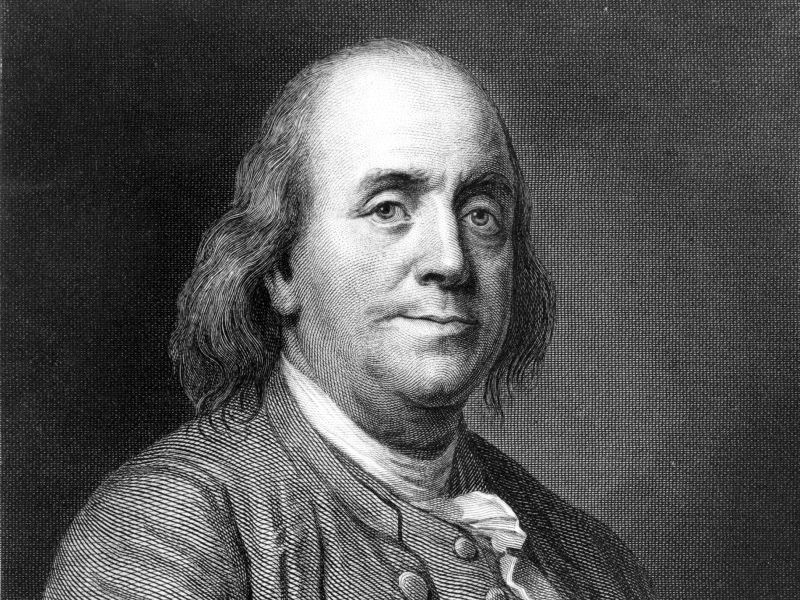
One of the earliest examples of the cooperative model in the United States is the Philadelphia Contributionship, a mutual fire insurance company founded by Benjamin Franklin in 1752 that is still open today. By pooling resources to protect members against fire losses, the organization demonstrated the cooperative principle of people working together to meet a common need.