
A housing co-op is a type of housing that is owned and managed by the people who live there. Housing co-ops can take many forms, including apartment buildings, a neighborhood of single-family homes, manufactured home communities, or student housing. They can serve many different groups including seniors, first-time homebuyers, and long-term renters looking for long-term housing stability.
Housing co-ops are a type of consumer co-op. The co-op owns the property, and the members collectively make decisions about how it is run. Members elect a board of directors to oversee finances, maintenance, and operations.
To join a housing co-op, a person usually purchases a membership share. This share gives them the right to live in a specific unit or home. Members also pay monthly fee that helps cover expenses such as mortgage payments, insurance, property taxes, and costs related to operating and maintaining the property.

Benefits of the Housing Co-op Model
Housing co-ops can make homeownership more accessible and affordable because they:
- Operate at cost rather than for profit
- Offer flexible financing options
- Have lower buying and selling costs than traditional homeownership
- Can limit resale prices to keep homes affordable for future residents.
These features help create affordable, stable housing while allowing residents to build financial security through lower housing costs, and in some cases, shared equity.
The cooperative model is designed to put residents’ needs first and support long-term affordability, community control, and democratic decision making.
Types & Examples of Housing Co-ops
Limited Equity Co-ops
Limited equity co-ops are designed to keep housing affordable. Members buy shares at below market rates. The co-op often uses larger loans with favorable terms to reduce the amount members must invest. Monthly costs are generally lower. Limits are placed on how much a share can increase in value when it is sold. These restrictions help preserve affordability for future members.
This 27-unit senior housing cooperative in Black River Falls, Wisconsin, serves independent adults aged 62 and older. The community operates under a limited-equity cooperative model, making homeownership more affordable while providing stable monthly housing costs and the opportunity for modest equity growth over time. Residents enjoy maintenance-free living, as the cooperative takes care of home and property upkeep. A variety of services, programs, and social activities help foster connections among neighbors and support an active, engaged lifestyle.
Resident Owned Community (ROCs)
In traditional manufactured home communities (sometimes still outdatedly called “mobile home parks” or “trailer parks”), even though residents own their homes, the community owners control the land, set the site fees and make the park rules. They also control the condition of the community – including roads, water, electric, waste-water systems and landscaping. Each time the community is sold to a new owner, the rent is likely to increase. Unlike traditional manufactured home communities, ROCs are not subject to market-based rent increases, and there is no profit margin in monthly site fees. This cooperative ownership gives homeowners the ability to control costs, improve facilities and make their own rules while providing the peace of mind of land ownership.
Pammel Creek Estates
Pammel Creek Estates is a resident-owned community with 60 manufactured homes and provides affordable housing opportunities for people of all ages. In 2016, residents came together to purchase and collectively own the land and infrastructure of their manufactured home park. With technical assistance from the CoNorth through the ROC USA program, residents formed a limited-equity housing cooperative and took control of their community’s future.
Zero or Group Equity Model
Zero or group equity co-ops provide some of the most affordable housing. Members’ shares function much like a security deposit. Members generally do not gain equity as the property values rise. Monthly occupancy costs are comparable to more affordable rents. Most student housing co-ops are in this category.
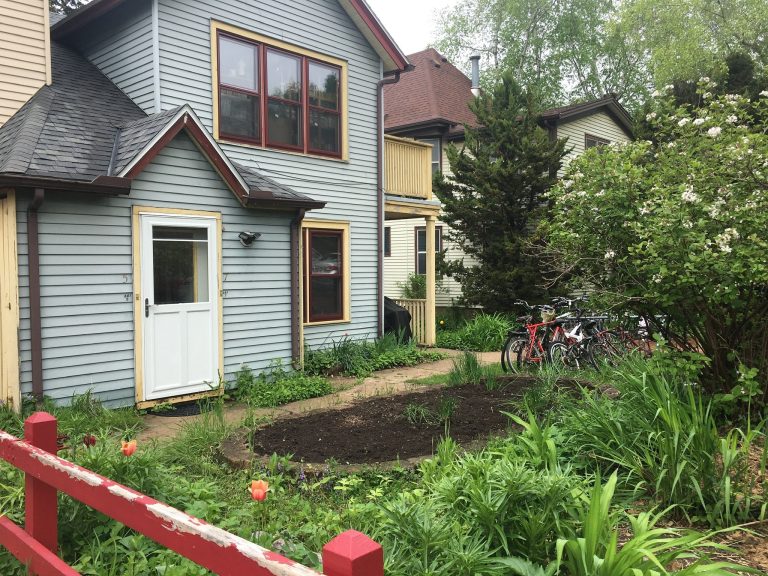
Ridge Side Cooperatives is a nine units cooperative located in downtown Madison, WI. This housing cooperative was developed using a zero-equity model to provide stable, affordable housing in a neighborhood experiencing rising housing costs and gentrification. To help make membership accessible, a community development organization provides funding for share loans to qualifying new members. Ridge Side is not managed by a management company. Instead, members contribute to the cooperative by completing a minimum number of volunteer labor hours each month, helping with maintenance and other community responsibilities.
Market Rate Co-ops
In a market rate co-op, members buy and sell their shares at the current market value. Members typically make a larger initial investment. Shared can increase or decrease in value over time, meaning that members may gain or lose equity depending on market conditions. This is similar to owning traditional real estate.
Lee Square Cooperative is a senior housing cooperative serving adults aged 55 and older. Located just 10 minutes northwest of downtown Minneapolis, the cooperative consists of 121 apartment-style units and is professionally managed by a property management company. As a market-rate cooperative, the purchase price of each unit is determined through agreement between the buyer and seller based on the unit’s current market value.
Resources
501(c)(3) Status for Housing Cooperatives. UW Center for Cooperatives, 2021
Housing Cooperatives Quick Guide. UW Center for Cooperatives, 2021.
Cooperatives and Community Housing Powerpoint. UW Center for Cooperatives, 2018.
More than Just Housing…Co-op Housing. UW Center for Cooperatives.
What is a Housing Cooperative? National Association of Housing Cooperatives.
Housing Cooperative Overview. National Association of Housing Cooperatives.
Co-op Roles & Responsibilities Summary Charts. Northcountry Development Foundation, 2019
What About Housing: A Policy Toolkit for Inclusive Growth. Grounded Solutions Network, 2018.
A Consumer’s Guide to Buying a Co-op. National Cooperative Bank, 2018.
Manufactured Housing Resource Guide: First Steps Toward a Resident Purchase Opportunity. National Consumer Law Center, 2017.
Manufactured Housing Resource Guide: Promoting Resident Ownership of Communities. National Consumer Law Center, 2015.
State of Cooperative Housing, Needs and Opportunities. Cooperative Development Services, 2014.
Shared Equity Homeownership Evaluation: Case Study of Dos Pinos Housing Cooperatives. The Urban Institute, 2010.
Development Manual for Small Rural Home Cooperatives. UW Center for Cooperatives, 2005.
Cooperative Housing Toolbox: A Practical Guide for Cooperative Success. Northcountry Development Foundation, 2003.
Cooperative Housing Development Toolbox: A Guide for Successful Community Development. Northcountry Cooperative Foundation, 2004.
Home Base: The Playbook for Cooperative Development. NCB Capital Impact, 2006.
Housing Cooperatives: An Accessible and Lasting Tool for Home Ownership. National Association of Housing Cooperatives.
An Assessment of Loan Regulations for Rural Housing Cooperatives. UW Center for Cooperatives, 1999.