
Agricultural cooperatives, or “ag co-ops,” have helped farmers succeed in the United States for more than a century. By working together, farmers can purchase supplies, market their products, process crops and livestock, and access services that might be too costly or difficult to obtain on their own.
Today, agricultural cooperatives remain an important part of the U.S. food system and rural economy. They help farmers stay competitive, strengthen local businesses, and support the communities where they operate.
While agriculture has changed dramatically over the years, the cooperative model continues to offer a practical way for farmers to share resources, solve challenges, and create opportunities together. The lasting success of agricultural cooperatives reflects the power of cooperation, local ownership, and mutual support.
Different types of co-ops help producers market their products, buy supplies, and access financing.
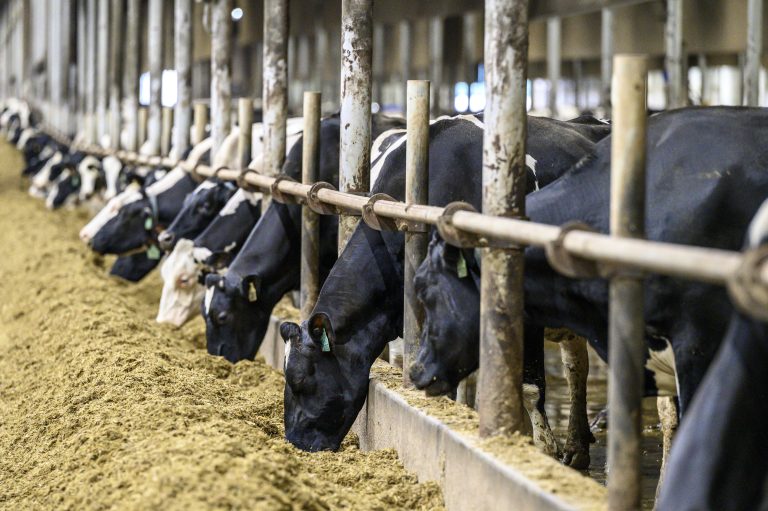
Types of Agricultural Cooperatives
Marketing cooperatives help farmers sell, process, and market the crops and products they produce. By working together, farmers can negotiate better prices and reach larger markets than they could on their own.
Farm supply cooperatives provide farmers with the products they need to run their operations, such as seed, fertilizer, animal feed, fuel, and energy products. Some also produce and distribute ethanol, biodiesel, and other renewable energy products.
Farm credit cooperatives provide loans and financial services to farmers, ranchers, and agricultural businesses. These cooperatives help ensure members have access to affordable financing and other financial resources.
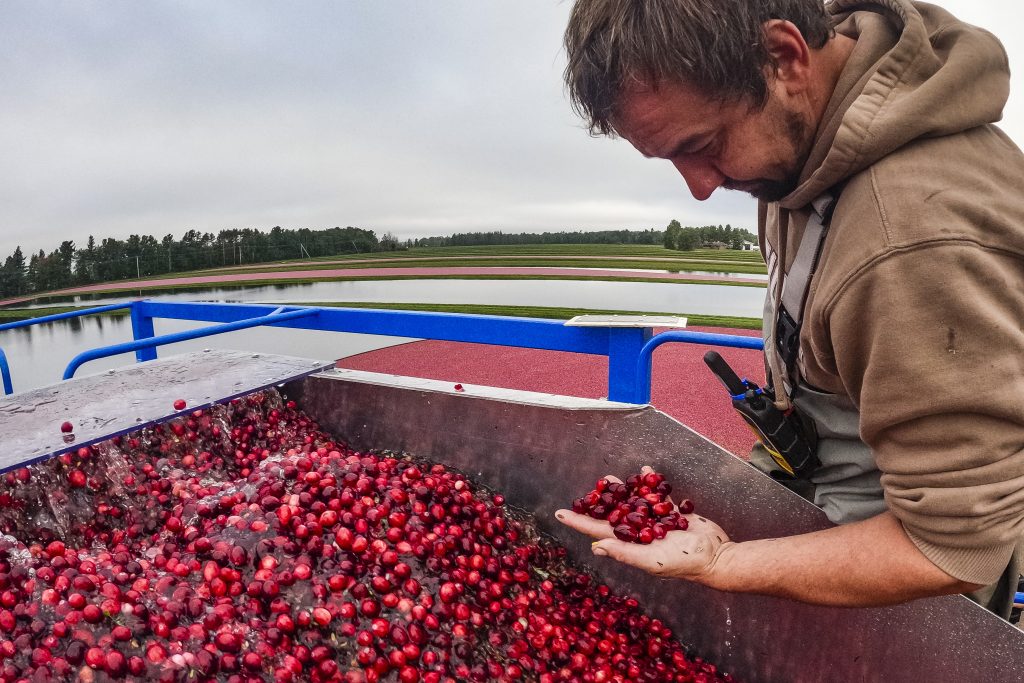 Why Farmers Form Cooperatives?
- Stronger bargaining power when selling products
- Access to markets
- Better prices on supplies purchased in bulk
- Access to processing facilities and transportation
- Reduced costs and shared risk
- Access to services that may be too expensive for an individual farm
Familiar Brands Owned by Farmer Cooperatives
Many products found in grocery stores are made by farmer-owned cooperatives. These businesses are owned by the farmers who supply the products, allowing them to share in the benefits of processing, marketing, and selling their goods.
- Ocean Spray is a cooperative owned by more than 700 cranberry and grapefruit farming families. Its members grow the fruit used in Ocean Spray juices, dried cranberries, and other products.
- Land O’Lakes is one of the nation’s largest farmer-owned cooperatives. It produces dairy products such as butter and cheese and also provides agricultural products and services to farmers through its business divisions.
- Sunkist Growers is a cooperative of citrus growers that markets oranges, lemons, mandarins, and other citrus products under the well-known Sunkist brand.
- Welch’s is owned by the National Grape Cooperative, a farmer-owned cooperative made up of grape growers across the United States. Members supply the grapes used in Welch’s juices, jams, and jellies.
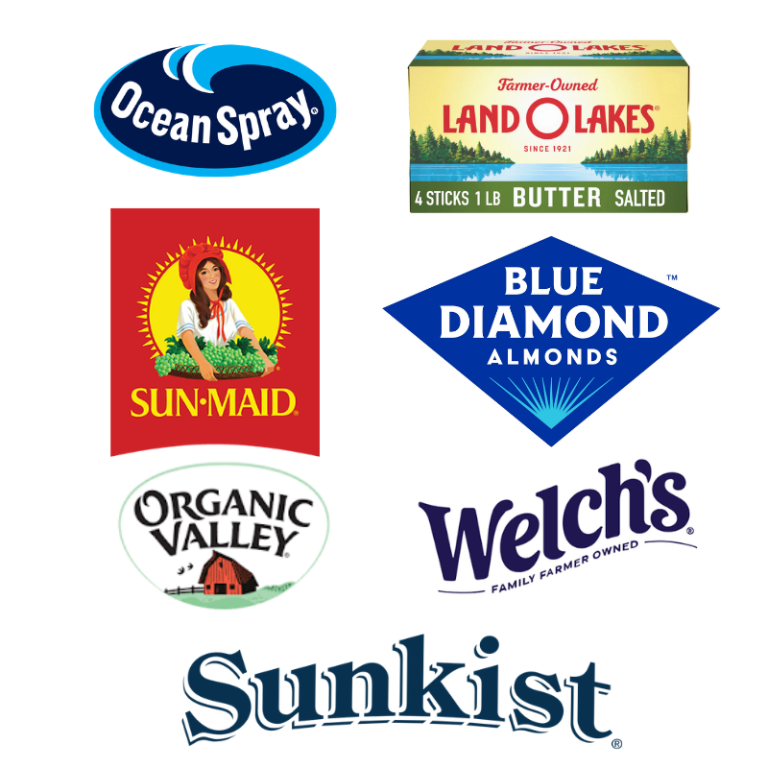
Examples of Cooperatives in the Agriculture Sector
CHS is the largest farmer-owned cooperative in the United States. It provides energy products, grain marketing services, crop nutrients, animal feed, and food ingredients. CHS also operates refineries and pipelines and sells Cenex® fuels, lubricants, propane, and renewable energy products.
Based in Middleton, Wisconsin, Foremost Farms is a large dairy cooperative owned by hundreds of dairy farmers across seven Midwestern states. The cooperative processes members’ milk into cheese, butter, and dairy ingredients that are sold throughout the food industry.
Compeer Financial is a member-owned Farm Credit cooperative that serves farmers and rural communities in Illinois, Minnesota, and Wisconsin. It offers loans, leases, risk management services, and financial expertise to help agricultural businesses of all sizes succeed.
Resources
Cooperative Land Purchasing and Financing Guide: Hypothetical Case Study. Farm Commons, 2024.
Cooperative Land Purchasing and Financing Guide: Raising Money in Community. Farm Commons, 2024.
Cooperative Land Purchasing and Financing Guide: FSA Farm Ownership Loans. Farm Commons, 2024.
2021 Cooperative Governance Research Initiative Ag Sector Findings. UW Center for Cooperatives and University of Missouri Graduate Institute of Cooperative Leadership, 2023.
Coordinating Farm Labor Across Farms: A Toolbox for Diversified Farmers and Farmworkers. Farm Commons and UW Center for Cooperatives, 2017.
Reframing Food Hubs: Food Hubs, Racial Equity, and Self-Determination in the South. Center for Social Inclusion, 2018.
Agricultural Cooperative Statistics 2016. Rural Development Service Report 80, 2017.
Federal Statutes of Special Importance to Farmer Cooperatives, USDA Cooperative Information Report 66, 2017.
Cooperative Farming: Frameworks for Farming Together. A Greenhorns Guidebook, 2014.
A Study of Co-op Business Development in Wisconsin and Minnesota: Fourteen Recent Start-ups in the Food and Agricultural Sectors. UW Center for Cooperatives, 2013.
Dairy Cooperatives in the 21st Century – The First Decade. USDA Research Report 225, 2012.
A Life-Cycle Perspective on Governing Cooperative Enterprises in Agriculture. Choices Magazine, 2011.
Cooperatives in Agribusiness, USDA Cooperative Information Report 2, 2011
Organizing a Machinery Cooperative. Bill Fitzwater Cooperative Center, Oklahoma State University, 2007.
Co-operative Conversions, Failures and Restructurings: Case Studies and Lessons from U.S. and Canadian Agriculture. Centre for the Study of Co-operatives – University of Saskatchewan/UW Center for Cooperatives, 2009.
CROPP Cooperative: The Cooperative Regions of Organic Produce Pools. UW Center for Cooperatives, 2003.
An Analysis of Machinery Cooperatives for Dairy Farms in the Upper Midwest. UW Center for Cooperatives, 2002.
Walton Bean Growers’ Cooperative. UW Center for Cooperatives, 2003.
New Generation Cooperatives Case Study: HomeGrown Wisconsin: The Story of a New Producer Cooperative. Illinois Institute for Rural Affairs/Western Illinois University, 2002.
Dakota Growers Pasta Company and the City of Carrington, North Dakota: A Case Study. USDA Fund for Rural America Planning Grant, 1998.